Understanding Tree Removal Regulations in Florida: A Guide

Florida Tree Removal Regulations Explained: Your Guide to Compliant Tree Cutting and Permits
Florida’s property owners face stringent regulations for tree removal that balance safety, conservation, and legal compliance. This guide explains key statutes, permit workflows, protected species rules, certified arborist roles, and local ordinances in DeBary and Volusia County. It also highlights how professional partners like Florida Tree Service – Professional Tree Care and Removal can streamline risk assessments and removal applications. Readers will learn about:
- Statewide laws governing tree removal hazards
- Permit requirements, processes, and emergency exceptions
- Protected tree species and mangrove regulations
- Arborist contributions to risk evaluation and documentation
- DeBary and Volusia County ordinances and common restrictions
What Are the Key Florida Tree Removal Laws Property Owners Must Know?
Florida’s tree removal laws establish a framework that protects public safety while preserving the urban canopy. A central statute limits local authority only when a certified arborist deems a tree hazardous, ensuring property owners can address urgent risks without undue delay. Understanding these provisions prevents penalties and supports responsible tree management.
What Does Florida Statute 163.045 Say About Tree Removal?
Florida Statute 163.045 governs tree removal on residential property by allowing owners to cut or trim trees deemed dangerous without local permits if a certified arborist documents the hazard. The statute defines hazard based on structural integrity, disease, or damage to ensure timely removal and public safety. For example, a certified report confirming cracked limbs overhanging a driveway exempts the owner from municipal approval under this law.
Navigating this statute reveals criteria for arborist evaluations, documentation requirements, and conditions that guide compliant hazard mitigation.
How Does Florida Law Treat Dead Tree Removal Differently?
Dead tree removal is generally exempt from permit requirements under Statute 163.045 because decay presents clear risks of falling limbs and structural collapse. Property owners may remove standing deadwood after an arborist inspection verifies the tree’s condition. This exemption streamlines removal of unsafe trees while maintaining records of professional assessment.
Proactive dead wood removal reduces storm damage and supports overall canopy health.
What Are the Penalties for Illegal Tree Removal in Florida?
- Replanting requirements for protected species
- Fines up to $500 per tree
- Liens on property to cover restoration costs
Such penalties underscore the importance of following local procedures and engaging qualified arborists for risk assessments.
When and How Do You Need a Tree Removal Permit in Florida?
Securing a tree removal permit in Florida protects heritage species and ensures compliance with zoning rules, improving neighborhood safety and canopy preservation. Property owners must determine application triggers based on tree size, species, and proximity to structures before removal.
The table below outlines common permitting scenarios and thresholds.
| Scenario | Permit Required | Threshold |
|---|---|---|
| Removing a non-hazardous oak on a fence line | Yes | Diameter > 12 inches |
| Cutting down a palm within 5 feet of sidewalk | Yes | Any size |
| Removing a dead pine on private property | No | Certified hazard report |
When Is a Tree Removal Permit Required Under Florida Law?
A tree removal permit is required whenever a healthy or protected tree exceeds specified diameter thresholds or stands within regulated buffers of sidewalks, streets, or wetlands. Municipal codes often set these thresholds at 12 inches for canopy species and 6 inches for palms, enforcing approvals for aesthetic and environmental considerations.
Understanding these general rules prepares owners for local variations in DeBary and Volusia County.
How Does the Tree Removal Permit Application Process Work in DeBary and Volusia County?

Property owners in DeBary and Volusia County initiate the permit process by submitting an application to the local planning department with documents including a site survey, tree inventory, and arborist report. Fees vary by tree class, typically ranging from $25 to $150 per application. After review, approvals or conditions arrive within 2–4 weeks, ensuring regulated removal.
Many homeowners rely on certified professionals to prepare these reports accurately and expedite permit issuance.
What Are Emergency Tree Removal Permits and When Are They Needed?
Emergency permits address immediate hazards following storms, disease outbreaks, or structural failures. When a storm-damaged limb threatens public safety, owners can request a same-day emergency permit with photographic evidence and an expedited arborist assessment. This process prevents delays in critical removals and minimizes risk to people and property.
Which Trees Are Protected in Florida and What Are the Regulations?
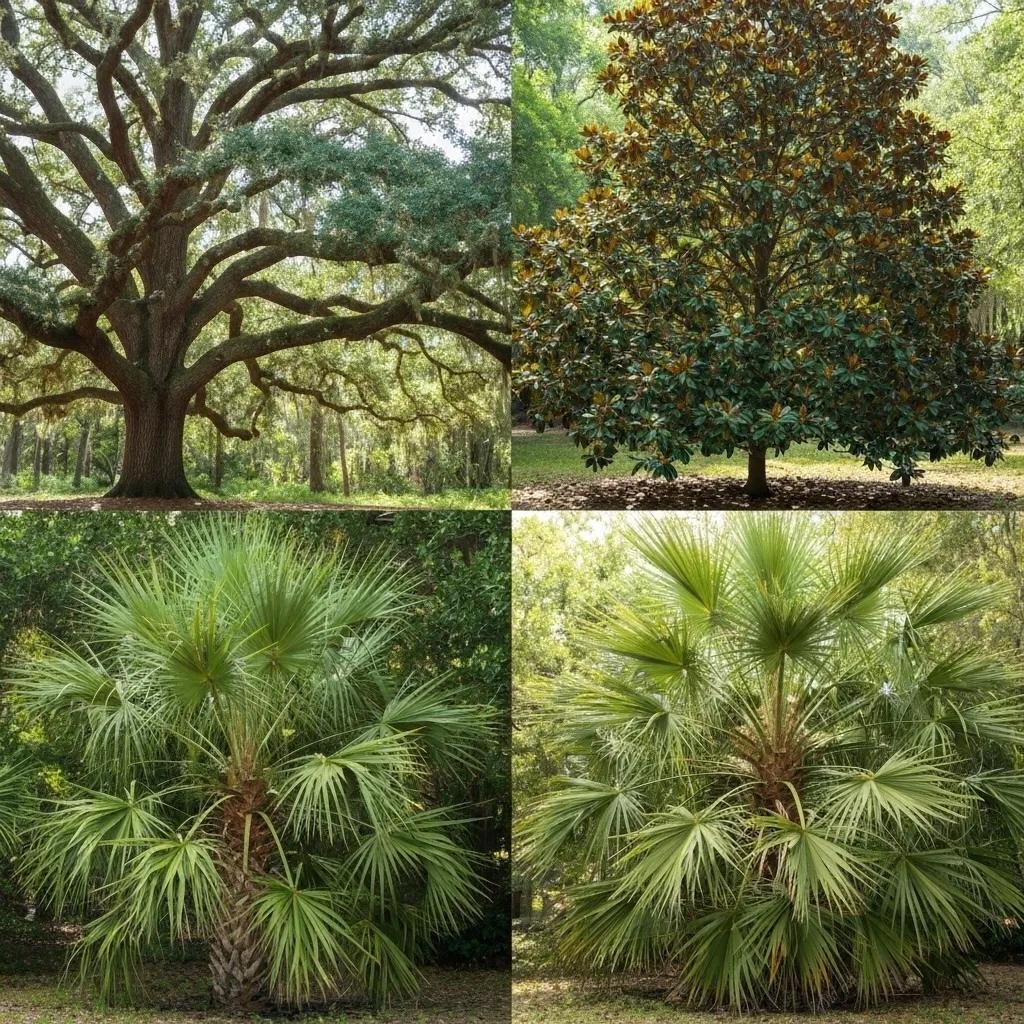
Florida protects legacy canopy species and specific native flora to maintain ecosystem balance and urban shade cover. Heritage trees, like live oaks and magnolias, require special permits, while mangroves follow state environmental agency rules.
Key protected species include:
- Live Oak (Quercus virginiana)
- Southern Magnolia (Magnolia grandiflora)
- Sabal Palm (Sabal palmetto)
- Coastal Mangrove varieties
What Are Florida’s Protected Tree Species and Heritage Tree Ordinances?
Heritage tree ordinances designate specimens of significant age, size, or historical value for conservation, requiring permits for any pruning or removal. Volusia County defines heritage trees by diameter and condition, mandating replacement ratios of 2 : 1 for removed specimens. This mechanism fosters canopy continuity and cultural preservation.
How Do Mangrove Tree Removal Regulations Affect Property Owners?
Mangroves, vital for shoreline stabilization and wildlife habitat, fall under Florida Department of Environmental Protection jurisdiction. Owners must secure FDEP permits for pruning or removal in coastal areas, following strict seasonal windows to protect nesting birds and prevent erosion. Noncompliance can result in substantial fines and mandatory restoration.
How Can a Certified Arborist Help With Florida Tree Removal Compliance?
Certified arborists play a critical role by providing expert risk assessments, detailed reports, and permit documentation that satisfy regulatory bodies.
Their involvement enhances safety, optimizes tree health decisions, and reduces bureaucratic delays.
Core arborist services include:
- Tree Risk Assessment with professional hazard reports
- Permit Application Support featuring technical documentation
- Post-Removal Inspections and replanting recommendations
What Is the Role of an ISA Certified Arborist in Tree Risk Assessment?
An ISA certified arborist evaluates tree stability, identifies diseases, and assesses site-specific hazards using industry-standard criteria. This expert assessment determines whether a tree qualifies for hazard exemption under Statute 163.045 and informs safe removal techniques.
How Does an Arborist Assist With Tree Removal Permits and Reports?
Arborists prepare comprehensive reports that include species identification, diameter measurements, photographs, and mitigation recommendations. These documents fulfill county and state permit requirements, streamlining approvals and minimizing rejection risk.
What Local Tree Removal Ordinances Apply in DeBary and Volusia County?
DeBary and Volusia County enforce supplemental regulations that reflect local environmental priorities and development patterns. Understanding these ordinances ensures alignment with neighborhood standards and avoids infractions.
The following table highlights key local rules:
| Rule | Area | Requirement |
|---|---|---|
| “5-Foot Rule” proximity | DeBary | No removal within 5 feet of property line without permit |
| Wetland buffer protections | Volusia County | 25-foot no-disturbance zone around designated wetlands |
| Heritage tree replacement | DeBary & Volusia | Replanting ratio of 2 new trees for every heritage tree removed |
Awareness of these provisions guides property owners through compliant landscape changes and informed project planning.
Professional support from certified arborists and local experts ensures accurate interpretation of these nuanced regulations.
Property owners who partner with experienced arborists and permitting specialists safeguard their investments and community canopy. Compliant tree removal enhances safety, preserves valuable species, and avoids costly penalties. For expert guidance in DeBary and Volusia County, consult a certified arborist to assess hazards, prepare permit applications, and manage post-removal restoration. Debary Tree Service’s team delivers comprehensive support from risk evaluation through approval, ensuring every project meets Florida’s regulations and local ordinances.
As a responsible property owner in Florida, it’s essential to be aware of the regulations surrounding tree removal and care. The International Society of Arboriculture (ISA) provides guidelines for tree care and maintenance, emphasizing the importance of hiring a certified arborist for any tree-related services. In Florida, the Department of Environmental Protection (FDEP) plays a crucial role in protecting the state’s natural resources, including its trees. According to Florida Statutes, certain trees, such as heritage trees, are protected, and their removal requires a permit. A reputable tree service company can help you navigate the process of obtaining a tree removal permit and ensure that all work is done in compliance with property law.
When it comes to tree removal, it’s not just about cutting down a dead tree; it’s about ensuring that the process is done safely and legally. In Florida, a tree removal permit is often required, especially for protected trees. The Florida Department of Environmental Protection and local authorities, such as the Florida Fence authority, regulate tree removal to prevent unnecessary harm to the environment. A tree risk assessment is a critical step in determining whether a tree poses a risk to people or property, and a certified arborist can provide this assessment. By hiring a reputable tree service company, you can ensure that your tree removal needs are met while also complying with all relevant regulations, including those related to property law and protected trees.
In addition to understanding the regulations surrounding tree removal, it’s also important to be aware of the benefits of proper tree care. Regular tree maintenance can help prevent the need for tree removal in the first place. A certified arborist can provide services such as pruning, trimming, and planting, all of which can help keep your trees healthy and thriving. By investing in tree care, you can also help protect your property value and ensure that your outdoor space remains safe and enjoyable. Whether you’re dealing with a dead tree or simply want to ensure that your trees are well-maintained, a reputable tree service company can provide the expertise and guidance you need to make informed decisions about your tree care needs. By prioritizing tree care and complying with regulations, such as obtaining a tree removal permit when necessary, you can help preserve Florida’s natural beauty and protect its heritage trees for generations to come.
The process of obtaining a tree removal permit in Florida can be complex, but a tree service company can help guide you through it. The permit process typically involves submitting an application to the relevant authorities, such as the local government or the Florida Department of Environmental Protection, and providing documentation, such as a tree risk assessment. The authorities will then review the application and determine whether the tree removal is necessary and compliant with property law and regulations. By working with a certified arborist and a reputable tree service company, you can ensure that the process is done efficiently and effectively, and that all regulations, including those related to protected trees and heritage trees, are complied with. Whether you’re a homeowner, a business owner, or a property manager, it’s essential to prioritize tree care and comply with regulations to protect Florida’s environment and preserve its natural beauty.