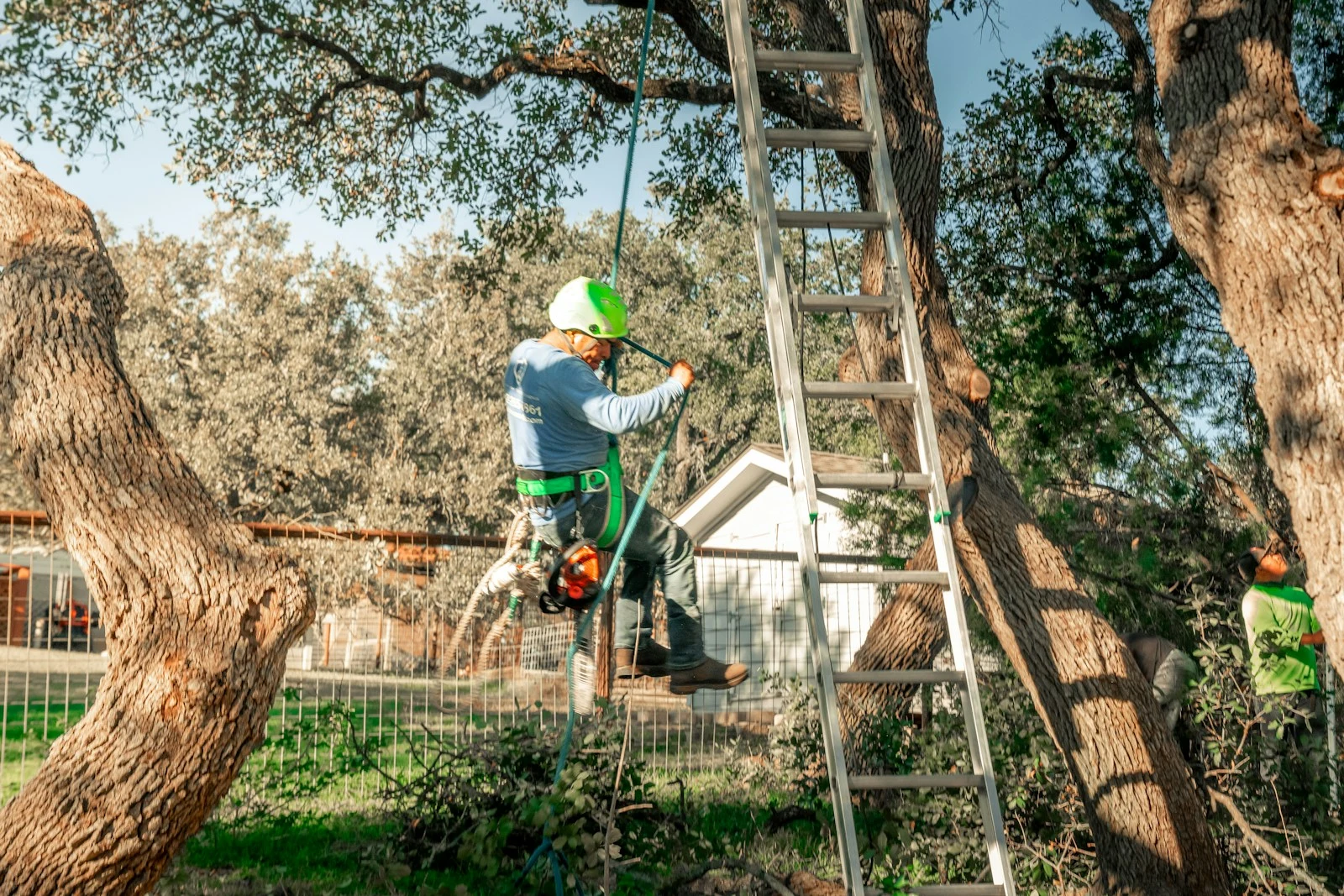
Professional Arborist Services That Keep Your Trees Thriving
From precise health assessments and disease diagnosis to long-term preservation strategies, our ISA-certified arborists deliver science-backed tree care across Volusia County and Central Florida.
Why Certification Matters for Your Trees
Hiring an unqualified tree worker can cost you far more than a professional — in damage, liability, and lost tree value. Our ISA Certified Arborists bring verifiable credentials and accountability to every job, giving you peace of mind alongside healthy trees.
ISA Certified Arborist
The International Society of Arboriculture (ISA) certification is the gold standard for tree care professionals. Our arborists have passed ISA's rigorous written exam covering tree biology, root systems, pruning, pest and disease management, and safe work practices.
ANSI A300 Standards Compliance
Every tree pruning, cabling, and treatment service we perform adheres to ANSI A300 — the American National Standard for tree care operations. This ensures your trees receive scientifically sound care, not guesswork.
ISA Tree Risk Assessment Qualification (TRAQ)
Our arborists hold TRAQ credentials, enabling them to perform formal tree risk assessments accepted by insurance carriers, municipalities, and courts. We provide written risk assessment reports for residential and commercial properties.
Florida-Specific Continuing Education
Florida's subtropical climate, sandy Entisol soils, and endemic pest pressures — including Lethal Bronzing Disease and Laurel Wilt — require specialized knowledge. Our arborists complete annual Florida-specific CE to stay current.
Licensed & Fully Insured
Volusia Bobcat & Tree Service carries full general liability and workers' compensation insurance. Our arborists hold Florida pesticide applicator licenses for disease and pest treatment applications.
Utility Arborist Training
Our team includes utility-trained arborists experienced in working near energized power lines following OSHA 29 CFR 1910.269 standards — critical for tree work adjacent to overhead utilities in residential neighborhoods.
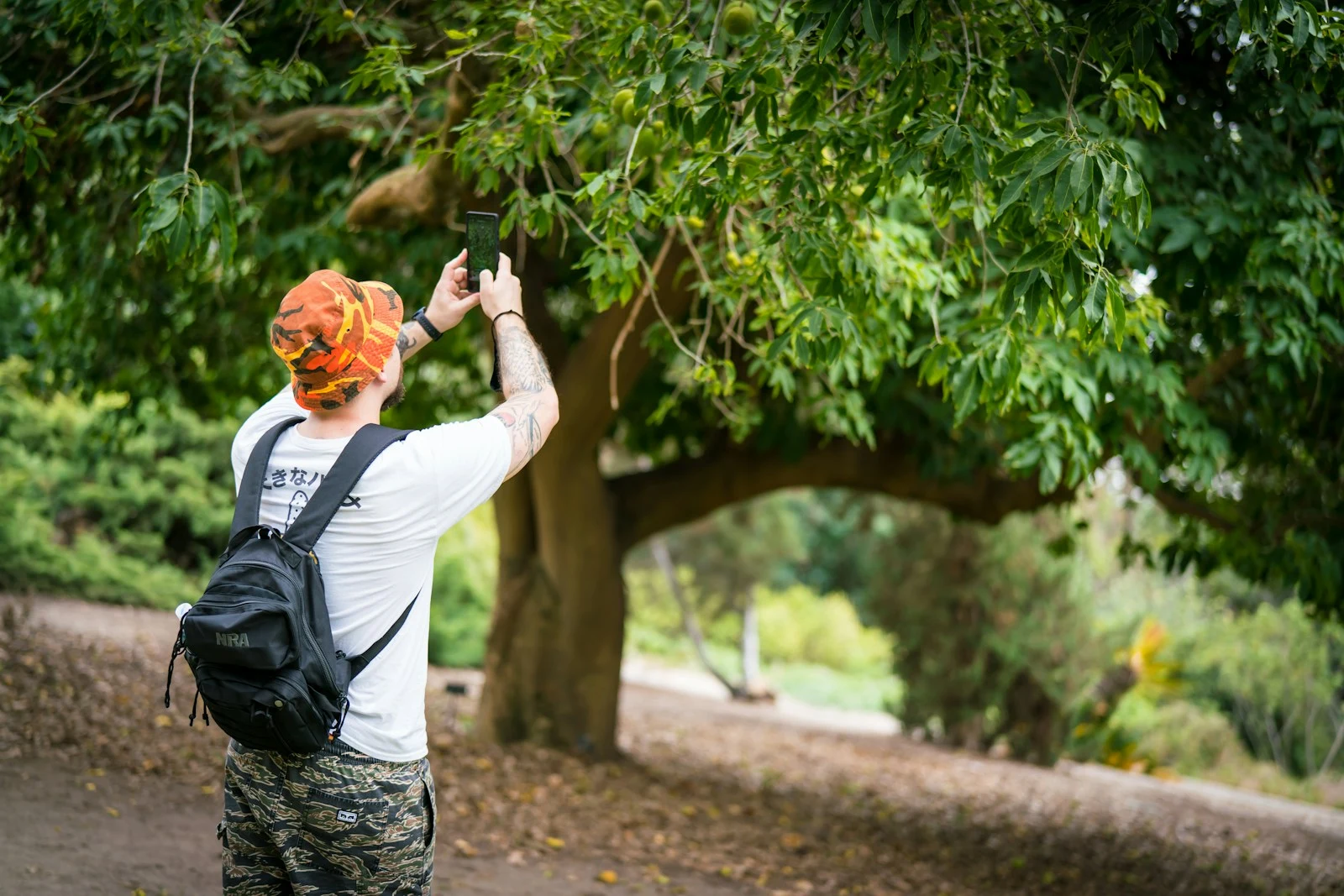
What to Look for When Hiring an Arborist
- Verify active ISA certification at the ISA website (isa-arbor.com)
- Confirm general liability and workers' comp insurance
- Request a written scope of work and estimate before work begins
- Ask for an ANSI A300-compliant pruning specification
- Avoid anyone recommending topping — it's harmful and not ISA-approved
- Licensed pesticide applicators for any chemical treatments
Accurate Diagnosis Is the Foundation of Tree Care
Before any treatment begins, our ISA-certified arborists conduct a multi-step health assessment using proven diagnostic protocols — ensuring every care decision is grounded in science, not assumptions.
Visual Crown & Bark Inspection
Our arborists begin with a systematic visual evaluation of crown density, leaf color, and bark condition. We look for chlorotic foliage, crown dieback, abnormal growth patterns, bark cankers, and fungal conks — early indicators that warrant deeper investigation.
Root Zone & Soil Diagnostics
Florida's sandy Entisol soils present unique challenges — rapid drainage, low nutrient retention, and high pH variability. We probe root flare condition, check for girdling roots, test soil compaction, and assess drainage patterns to identify root-level stressors.
Internal Decay Detection
Using Resistograph micro-drilling, we measure wood density variation inside the trunk — detecting internal decay, cavities, and soft zones that are invisible from the outside. This non-destructive tool is the standard for accurate structural risk assessment.
Written Diagnosis & Care Plan
Every assessment concludes with a written report: current tree health rating, identified stressors and pathogens, recommended treatments, and a prioritized long-term care schedule. Insurance-grade documentation available for formal risk assessments.
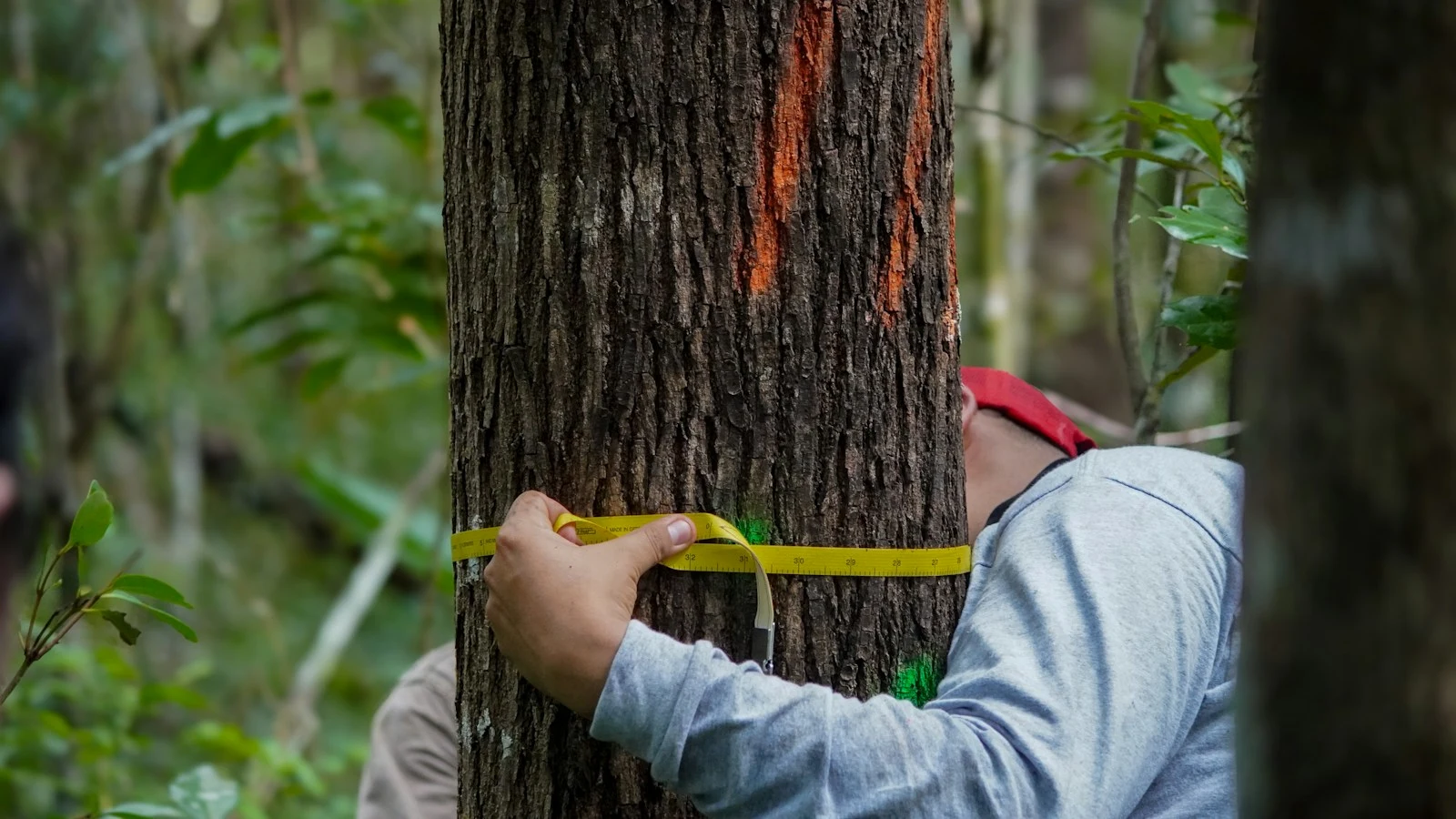
ISA TRAQ Certified Assessments
Our risk assessment reports meet insurance, legal, and municipal permit requirements.
Warning Signs Your Tree Needs an Arborist
Florida's subtropical climate accelerates tree stress and disease progression. If you notice any of these signals, schedule an assessment before the condition worsens:
- Thinning or discolored crown
- Premature or asymmetric leaf drop
- Unusual bark cracks or peeling
- Fungal conks at trunk base
- Leaning that has increased over time
- Heaving or cracked soil at root zone
- Woodpecker activity on the trunk
- Branch dieback from the tips inward
Florida-Specific Tree Threats — Identified and Treated
Volusia County's subtropical climate creates a year-round threat window for tree pathogens and pests. Our arborists specialize in diagnosing and treating the diseases that affect Central Florida's native and landscape trees most severely.
Disease / Issue
Laurel Wilt
Raffaelea lauricola (fungal)
Affected Trees
Red bay, swamp bay, avocado
Symptoms
Rapid wilting, reddish-brown discoloration, beetle entry holes
Treatment
Systemic fungicide injections, immediate infected wood removal, vector beetle trapping
Disease / Issue
Ganoderma Butt Rot
Ganoderma zonatum (fungal)
Affected Trees
Sabal palms, queen palms, hardwoods
Symptoms
Conk (shelf mushroom) at base, crown lean, trunk hollowing
Treatment
No cure — removal recommended before structural failure; preventive soil aeration
Disease / Issue
Lethal Bronzing Disease
Phytoplasma (bacterial)
Affected Trees
Sabal, date, queen, and Washingtonia palms
Symptoms
Bronze discoloration progressing upward, premature fruit drop, spear leaf death
Treatment
Trunk injection with oxytetracycline HCl for early-stage; removal for advanced cases
Disease / Issue
Oak Gall Wasp
Cynipidae wasp (insect)
Affected Trees
Live oaks, sand live oaks, water oaks
Symptoms
Round or irregular galls on leaves and stems, twig dieback
Treatment
Systemic insecticide injection, targeted pruning of heavily infested wood
Disease / Issue
Phytophthora Root Rot
Phytophthora spp. (oomycete)
Affected Trees
Most landscape trees in poorly drained soils
Symptoms
Yellowing leaves, wilting, bark discoloration at root crown
Treatment
Soil drainage improvement, phosphonate fungicide soil drench, root zone aeration
Disease / Issue
Iron / Manganese Chlorosis
Nutrient deficiency (not a pathogen)
Affected Trees
Oaks, gardenias, azaleas in alkaline sandy soils
Symptoms
Yellowing between leaf veins (interveinal chlorosis), stunted growth
Treatment
Soil acidification, chelated iron/manganese injections, pH correction amendments
Our Treatment Toolkit
We select the least invasive effective treatment for every diagnosis — preserving your trees and minimizing chemical impact on surrounding landscape.
Trunk Macro-Infusion
Pressurized nutrient or fungicide delivery directly into the vascular system — bypassing root uptake issues common in compacted or alkaline Florida soils.
Systemic Injections
Targeted insecticide or bactericide compounds injected at the root collar — effective against bark beetles, borers, and bacterial leaf scorch with minimal environmental impact.
Biological Control & IPM
Integrated Pest Management (IPM) strategies that combine targeted chemical applications with biological controls, reducing pesticide load while maintaining effectiveness.
Preventive Soil Treatment
Biochar amendments, mycorrhizal inoculants, and phosphonate drenches strengthen root zone immunity before pathogens take hold — especially effective in new construction sites.
Strategies That Protect Your Most Valuable Trees
A mature live oak or heritage tree can represent decades of growth and thousands of dollars in property value. Our arborists develop customized preservation plans that extend the productive life of your trees through proactive structural care, soil management, and long-term monitoring.
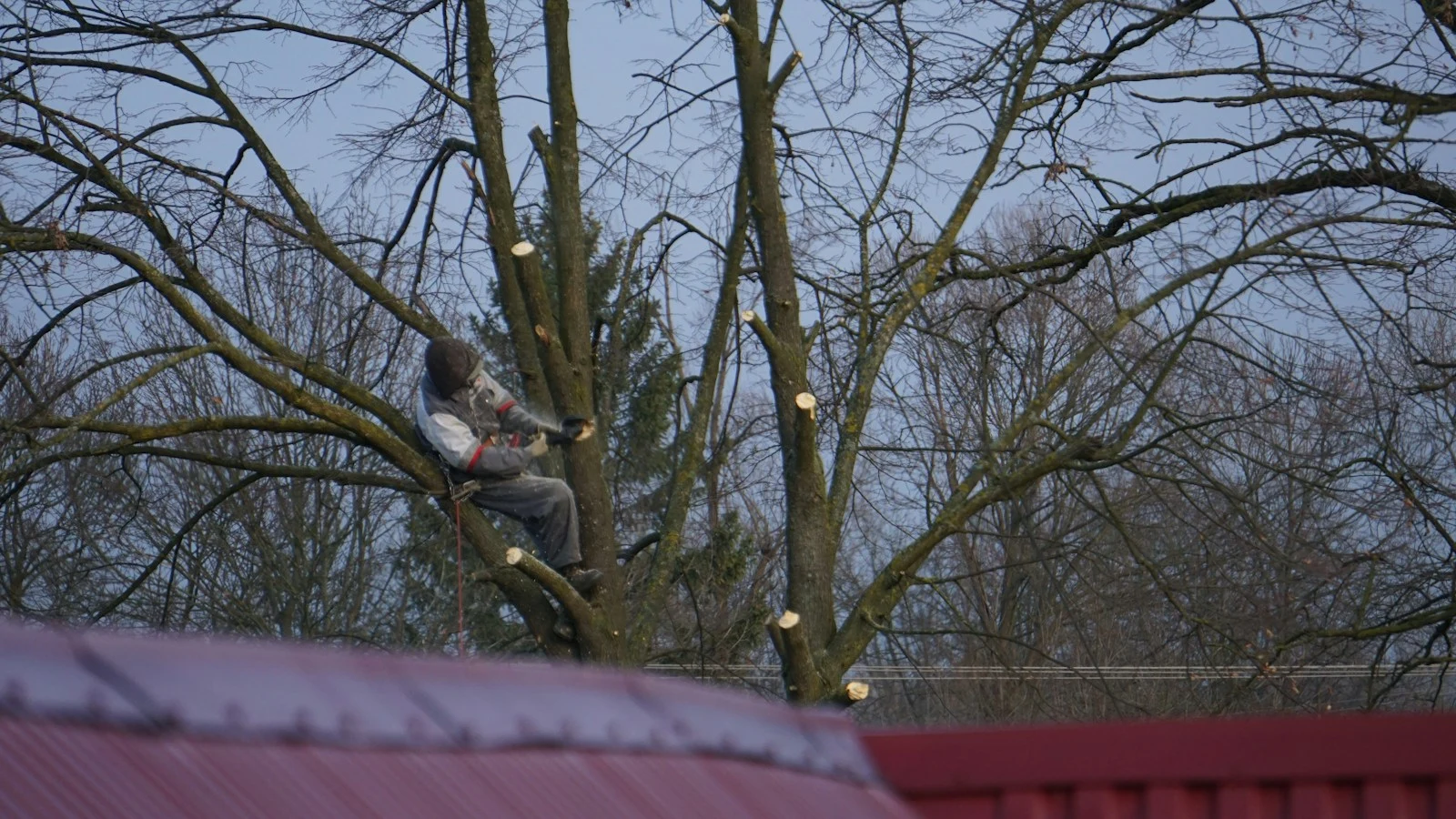
Root Zone Protection
Construction projects are the leading cause of tree death in Florida landscapes — heavy equipment compacts root zones and severs feeder roots invisibly. We establish critical root zones (CRZ) before work begins, install protective fencing, and use air-spade excavation for utilities near roots.
Structural Pruning & Cabling
Proactive crown management removes co-dominant stems, crossing branches, and included bark before they become failure points. Where structure cannot be corrected by pruning, we install high-strength steel or Cobra cabling systems to redistribute mechanical load.
Soil Health Restoration
Compacted soils suffocate roots and prevent water absorption. Our arborists use vertical mulching, air-spade decompaction, biochar amendment, and mycorrhizal inoculant applications to restore root-zone soil biology in Volusia County's challenging sandy or clay soils.
Long-Term Care Scheduling
A single visit rarely maintains tree health long-term. We develop annual care calendars that coordinate seasonal fertilization, inspections, pruning cycles, and preventive treatment windows — so valuable specimen trees receive consistent attention year after year.
Related Arborist Services
Before & After Tree Care
See the difference professional arborist care makes. These Volusia County case studies showcase diagnosis, treatment, and recovery across different tree species and conditions.
Live Oak Disease Treatment
DeLand, FL
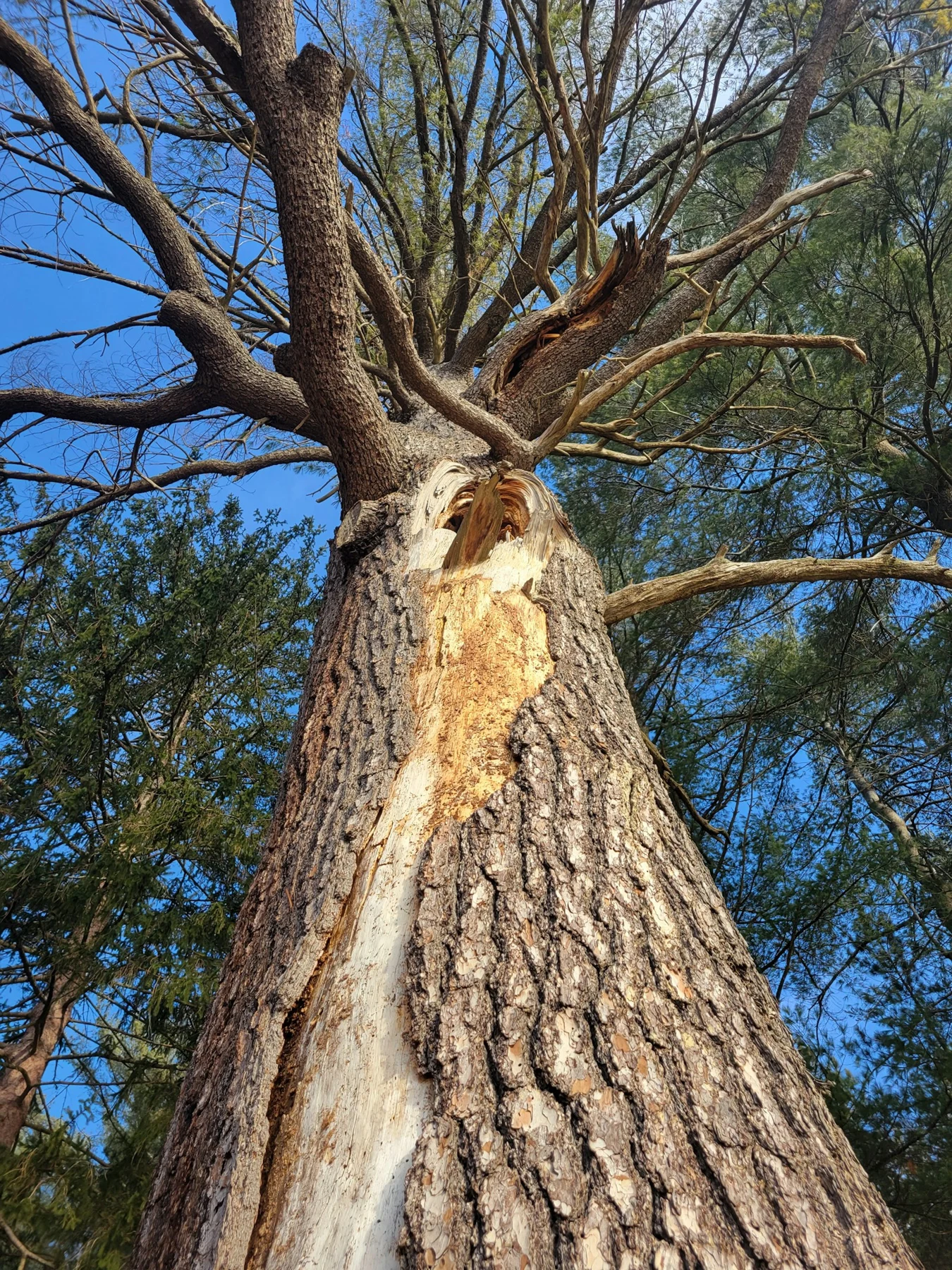
Crown dieback, bark cankers, 40% crown loss — diagnosed with Hypoxylon canker
What Homeowners Are Saying
Real results from real Volusia County homeowners and property managers who trusted our certified arborists with their most valuable trees.
"Our 80-year-old live oak was showing crown dieback and I feared the worst. The arborist from Volusia Bobcat diagnosed Hypoxylon canker within 20 minutes, removed infected wood the same day, and scheduled a follow-up treatment. Fourteen months later the crown is filling back in beautifully. Worth every penny."
Patricia R.
DeLand, FL
"I needed an official arborist report for a permit dispute with the city over a heritage oak. The written report was detailed, professional, and accepted by Ormond Beach's city arborist without any pushback. The team's knowledge of local ordinances saved us weeks of back-and-forth."
Carlos M.
Ormond Beach, FL
"Three of our Sabal palms were diagnosed with early Lethal Bronzing. The arborist started oxytetracycline injections immediately and explained exactly what to expect over the next 18 months. Two years out, all three palms are still standing and healthy. I tell every neighbor to use them."

Samantha T.
Port Orange, FL
"We had a mature laurel oak with a massive co-dominant stem that worried us every hurricane season. The structural pruning and Cobra cable they installed completely eliminated the risk. The arborist spent 30 minutes explaining exactly why the cable was positioned where it was. Very thorough."

Harold K.
New Smyrna Beach, FL
Arborist Services — Frequently Asked Questions
Answers to the most common questions our ISA-certified arborists receive from Volusia County homeowners, HOA managers, and commercial property owners.
What credentials should a professional arborist have?
How is a tree health assessment performed?
What diseases and pests are most common in Volusia County trees?
How can I prevent disease from spreading to healthy trees?
What is a tree preservation plan and when do I need one?
Can arborist care save a declining or storm-damaged tree?
Schedule Your Free Arborist Consultation Today
Our ISA-certified arborists serve Volusia County and Central Florida with expert tree health assessments, disease treatment, and preservation plans — all backed by a free no-obligation estimate. Call now or request online.