Expert Tree Trimming
& Pruning Services
Certified arborists delivering precision pruning across Volusia County. We improve tree health, enhance curb appeal, and eliminate hazardous branches — all with proven industry techniques.
The Benefits of Expert Tree Trimming
DIY trimming with the wrong tools or techniques can permanently damage or kill a tree. Our certified arborists deliver lasting health, beauty, and safety benefits — every cut is made with purpose.
Tree Health & Longevity
Removing dead, diseased, and crossing branches redirects the tree's energy into new growth. Regular pruning reduces competition between limbs, improves air circulation, and allows sunlight to reach the inner canopy — dramatically extending your tree's lifespan.
Curb Appeal & Aesthetics
Well-shaped trees elevate your property's visual appeal and can add measurable value to your home. Our crews follow ISA-approved shaping principles to maintain the natural form of each species while achieving the clean, balanced look you're after.
Safety for People & Property
Weak, overhanging, or storm-damaged branches are a serious hazard. Professional pruning identifies and removes widow-makers before they fall on roofs, vehicles, or people. Proactive trimming is far less costly than emergency removal after a failure.
Storm & Wind Resistance
A dense, unpruned canopy catches wind like a sail, dramatically increasing the chance of uprooting or limb failure during Florida storms. Crown thinning and structural pruning reduce wind load and help your trees stand strong through hurricane season.
Fruit & Flower Production
For fruit trees and flowering ornamentals, timely pruning improves yields, promotes larger fruit, and triggers more vigorous blooming. Our arborists know the right time and method for each species to maximize your tree's productive output.
Neighboring Tree Protection
Crowded or poorly structured trees compete for light and nutrients. Selective pruning creates healthy spacing so every tree on your property thrives — and prevents pest or disease transfer between canopies.
Need a full canopy assessment? Learn about our Arborist Services →
Pruning Techniques We Use
Every tree and situation calls for a different approach. Our ISA-trained crew selects the right pruning method based on species, age, structure, and your goals.
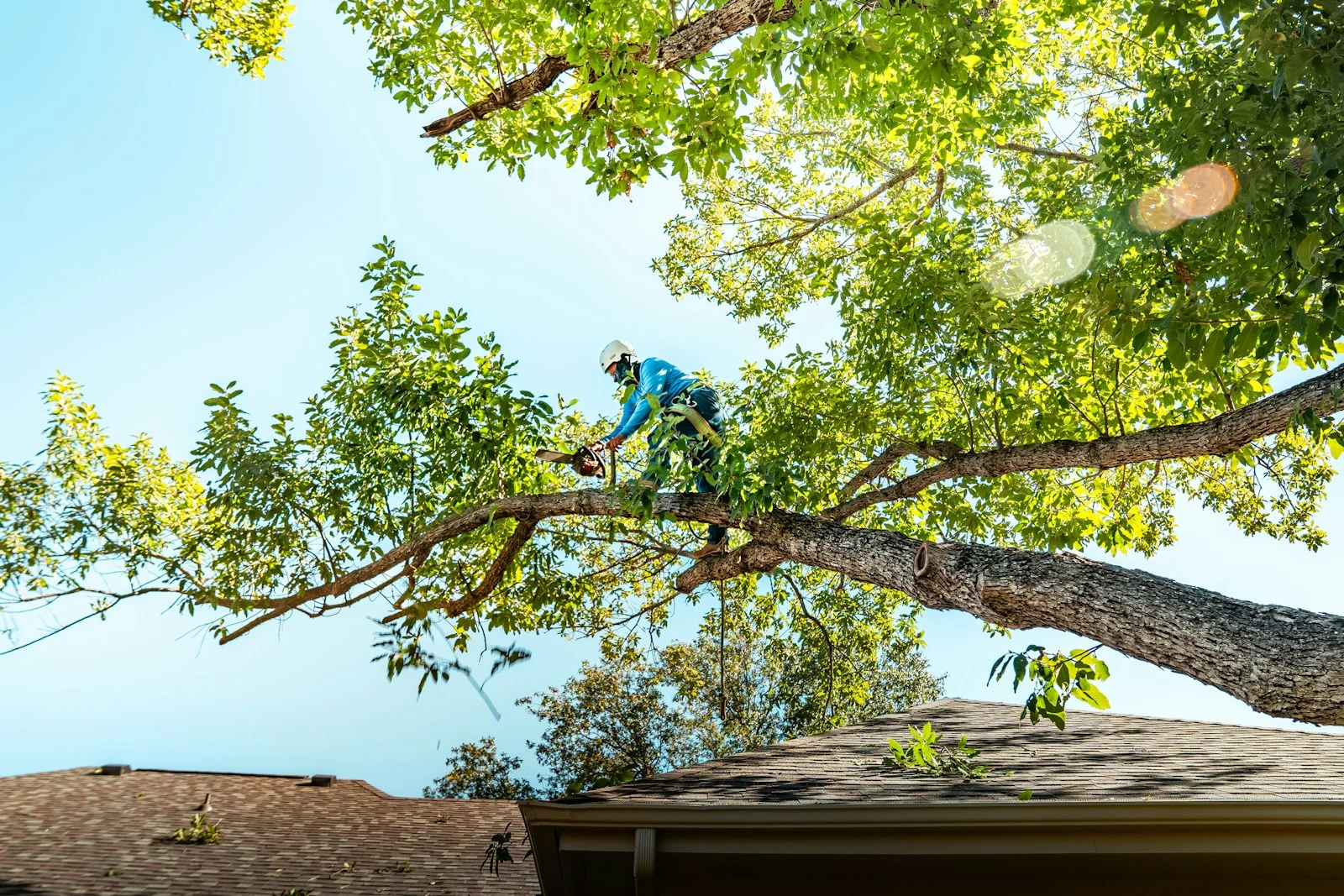
Crown Reduction
Crown reduction lowers the overall height or spread of a tree by cutting main branches back to suitable lateral growth points. It's used when a tree has grown too large for its space, is threatening power lines, or poses a structural risk. Done correctly, it maintains the tree's natural shape while reducing load on the root system.
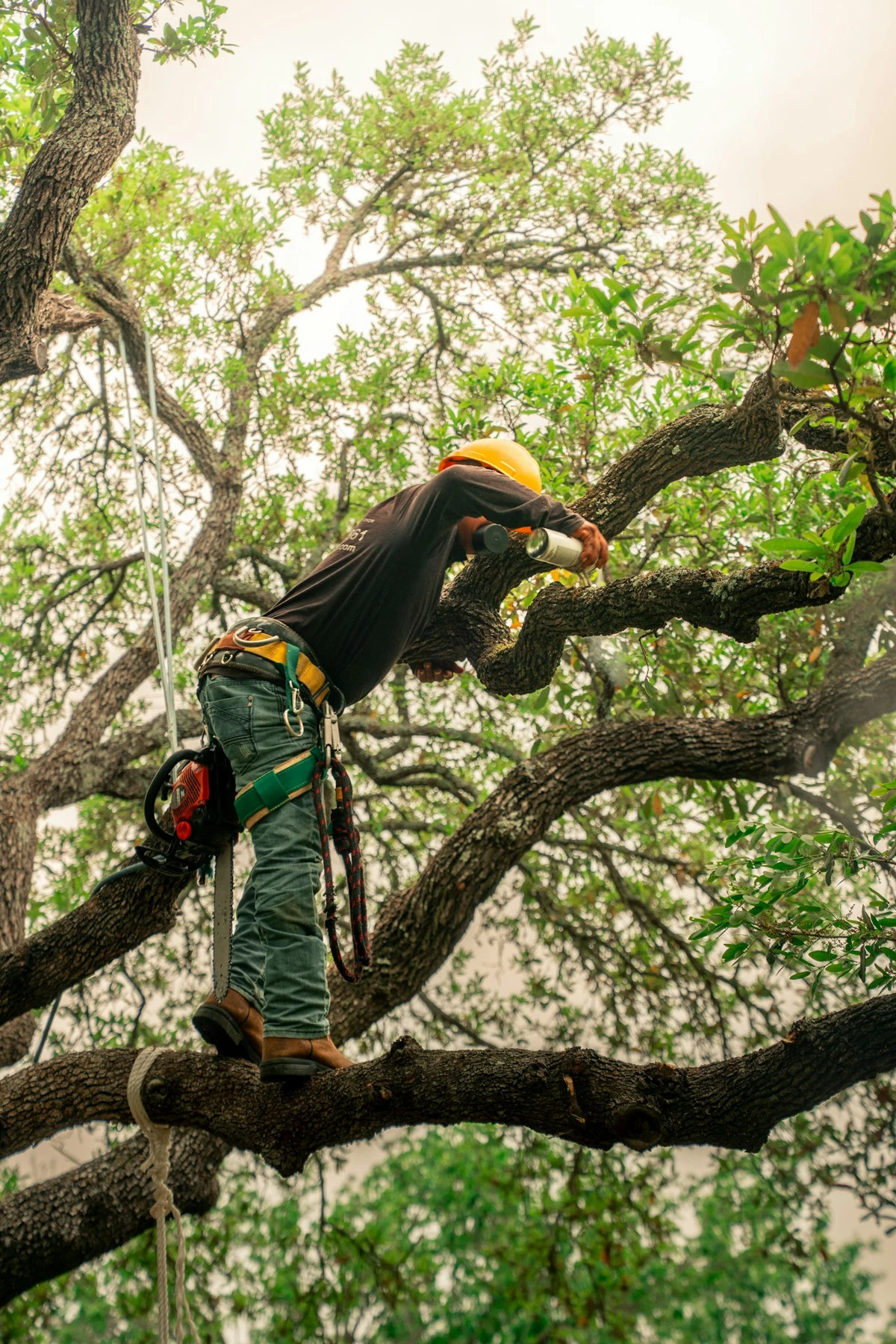
Crown Thinning
Thinning selectively removes interior branches to increase light penetration and airflow through the canopy. It does not reduce the tree's overall size but significantly improves structural strength, reduces wind resistance, and enhances the health of remaining foliage by reducing disease pressure.
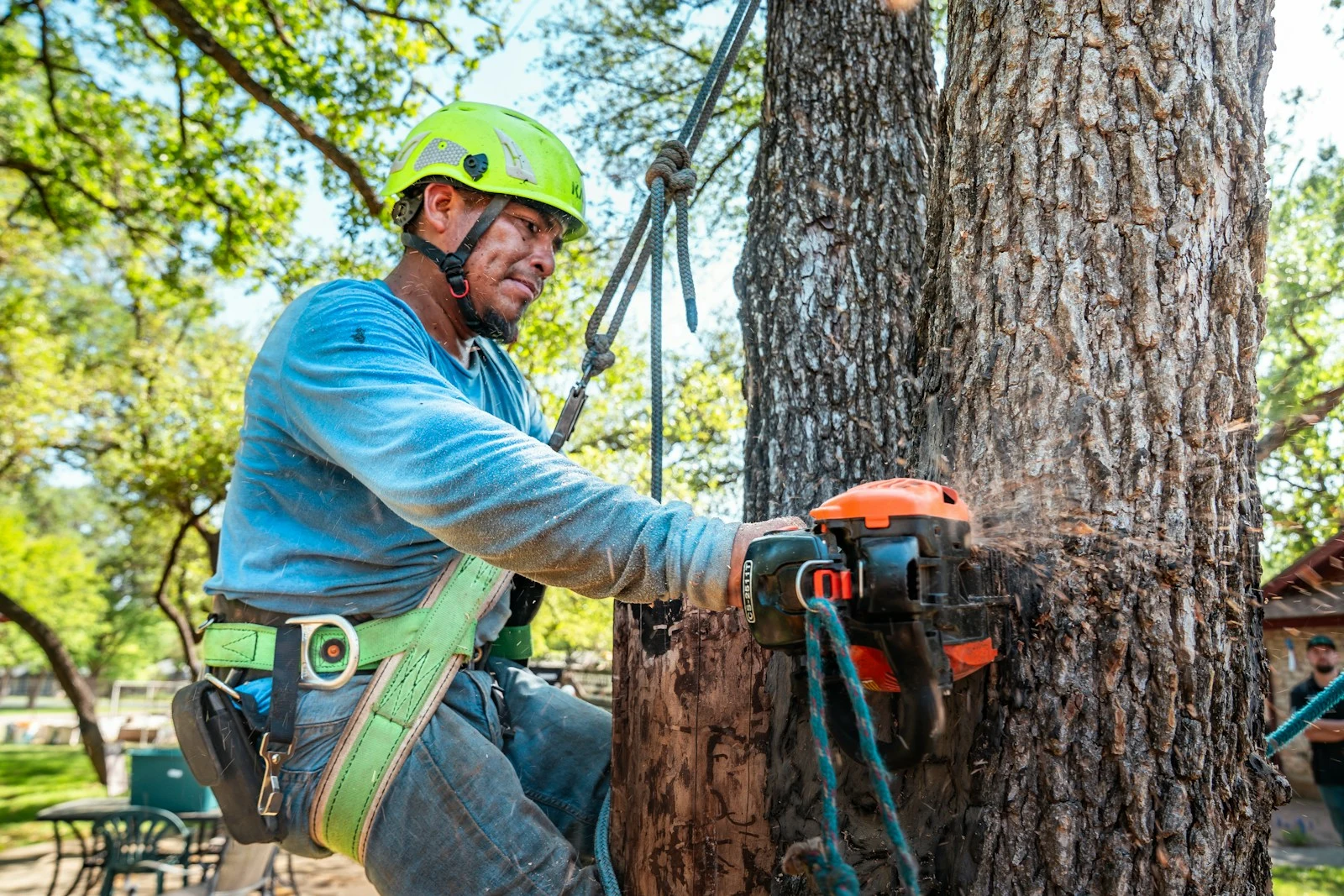
Crown Raising (Canopy Lifting)
Crown raising removes the lower branches of a tree to provide clearance for pedestrians, vehicles, buildings, and sight lines. It's one of the most common municipal and residential techniques and is closely related to our deadwooding and canopy lifting service.
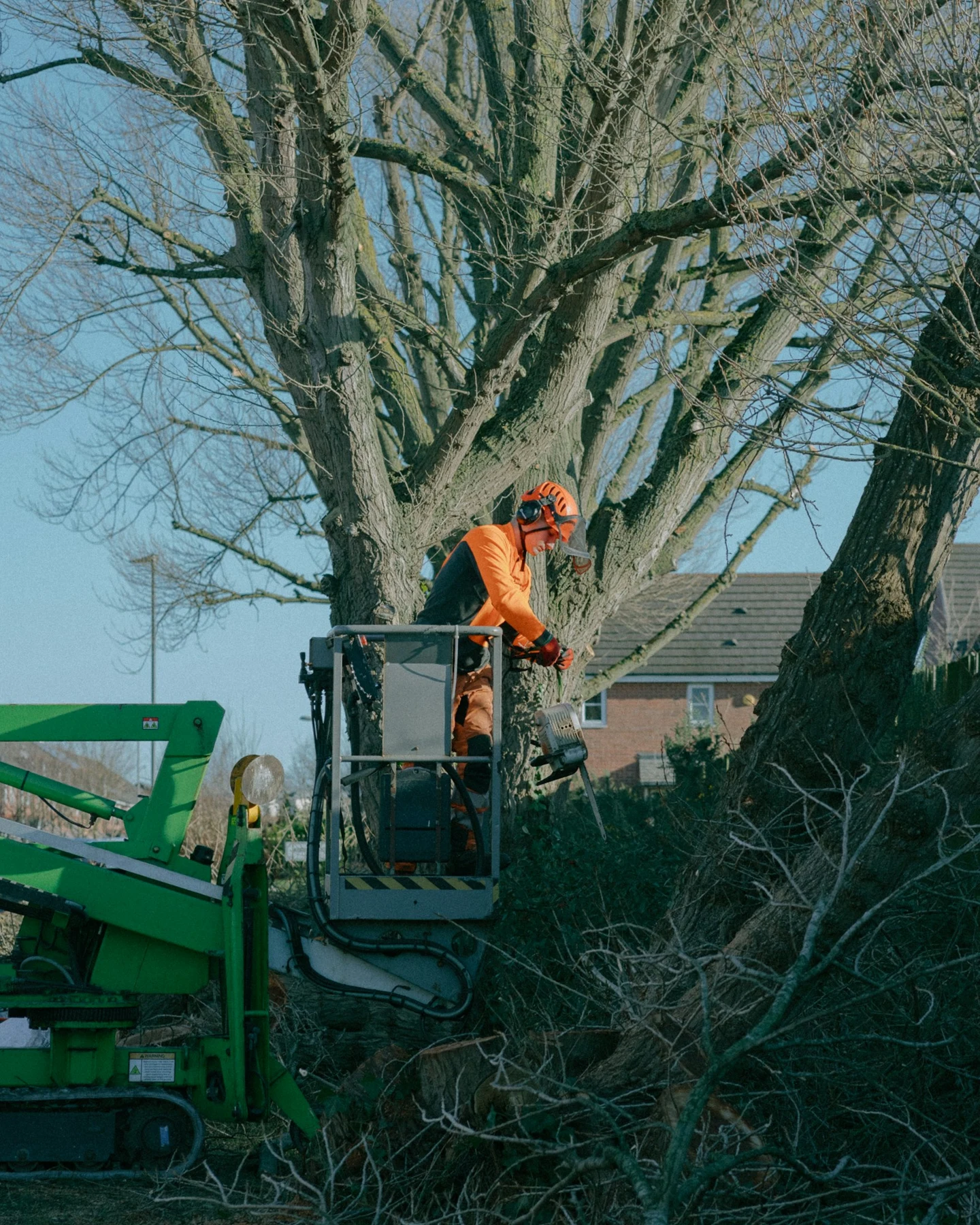
Structural / Formative Pruning
Applied to young trees, structural pruning establishes a strong branch scaffold early in a tree's life, preventing costly corrective work later. Our arborists identify co-dominant leaders, weak branch unions, and crowded growth to shape trees for long-term structural integrity.
Need limbs lifted from structures? See our Deadwooding & Canopy Lifting service →
Seasonal Pruning Guide
The right time to prune depends on species, goals, and Florida's unique climate. Here's how to time your trimming for maximum benefit and minimum tree stress.
Winter (Dec – Feb)
Best for Most SpeciesWinter is the ideal window for most Florida tree species. Trees are dormant or near-dormant, meaning pruning wounds callus quickly and pests like bark beetles are less active. This is the prime time for oak trimming — pruning oaks between November and January virtually eliminates the risk of oak wilt. Our schedule fills fast in winter; book early.
Spring (Mar – May)
Light MaintenanceSpring brings new growth flushes — ideal for light structural pruning to guide young branches. Avoid heavy pruning on flowering trees until after bloom to preserve the season's display. This is also a good time to remove any winter-damaged wood before heat and humidity create disease entry points.
Summer (Jun – Aug)
Caution — Hurricane SeasonSummer is Florida's active growing season and hurricane season. Safety pruning — removing deadwood, co-dominant leaders, and over-extended limbs — should be completed before storm season peaks (August–October). Avoid heavy pruning in peak heat as it stresses the tree; focus on hazard mitigation only.
Fall (Sep – Nov)
Preparation & Clean-UpFall is largely a preparation season. Complete any outstanding hazard pruning before winter, remove storm-damaged limbs promptly after late-season hurricanes, and prepare trees heading into the dormant period. Avoid stimulating new growth with heavy pruning — any tender growth won't harden before cooler temperatures arrive.
Don't Wait Until a Storm Warning
Volusia County homeowners who prune before hurricane season can reduce structural wind-load by up to 40%. Schedule your pre-storm pruning before June. Request a free estimate →
Think a tree might be diseased or infested? See our Hazardous Tree Removal service for advanced risk assessment.
Disease Prevention Through Pruning
Pruning isn't just about shape — it's one of the most effective tools for stopping disease and pest infestations before they escalate to full tree loss. Our arborists are trained to identify early warning signs and make the precise cuts that protect your entire tree population.
Fungal Disease Spread
Crowded canopies trap moisture, creating the humid micro-climate that fungi thrive in. Removing infected wood promptly and thinning the canopy improves airflow, dries the foliage faster after rain, and breaks the infection cycle before it spreads to the entire tree.
Bark Beetle Entry Points
Bark beetles infest stressed and weakened trees. Regular pruning keeps trees vigorous, reducing the chemical signals of stress that attract beetles. Removing already-infested wood eliminates breeding habitat before the colony grows.
Oak Wilt Prevention
In Florida's oaks, fresh pruning wounds during growing season are the primary infection pathway for oak wilt fungus. Pruning oaks in winter (November–January) dramatically reduces this risk. Our team uses proper wound-sealing practices for any emergency cuts outside the safe window.
Storm Wound Management
Storm-torn limbs leave ragged, unclean wounds that invite pathogens and insects. Clean-cutting storm damage as soon as it's safe reduces infection risk by 60–70% and allows the tree to form proper wound wood to seal the cut over time.
Trusted by Volusia County Homeowners
See why property owners across Volusia County count on Volusia Bobcat & Tree Service for their tree trimming and pruning needs.
"I had three massive oaks overhanging my roof that were terrifying me going into hurricane season. The VB Tree crew came out, assessed everything, and did a beautiful crown reduction on all three. Clean, professional, and they actually explained every cut they made. Totally transformed the look of my yard too."

Marcus D.
Ormond Beach, FL
"I'd been putting off pruning my fruit trees for two years and it showed. VB Tree sent a certified arborist who walked me through exactly what needed to happen and why. They did formative pruning on my young citrus and shaped an old mango that had gotten out of control. I got three times the fruit that season."

Sandra K.
DeLand, FL
"After the last storm took out a neighbor's unpruned oak, I called VB right away. They came out quickly, did a thorough inspection, and thinned two of my trees plus raised the canopy on a third. Reasonable price and they hauled every bit of debris. Couldn't be happier."

James R.
Port Orange, FL
"My HOA sent me a letter about my overgrown tree. VB Tree handled the crown reduction and crown raising in one visit, got it under the clearance requirement, and the tree looks better than ever. The team was polite, on time, and cleaned up everything before they left."

Angela T.
Daytona Beach, FL
Tree Trimming & Pruning FAQ
Get answers to the most common questions about timing, cost, technique, and disease management for tree pruning in Central Florida.
How often should I have my trees trimmed?
What's the best time of year to prune trees in Florida?
How much does professional tree trimming cost in Volusia County?
Is it better to top a tree or do crown reduction?
Can trimming save a diseased tree?
Do I need a permit to trim trees in Volusia County?
What's the difference between trimming and pruning?
Still have questions? Contact our team directly →
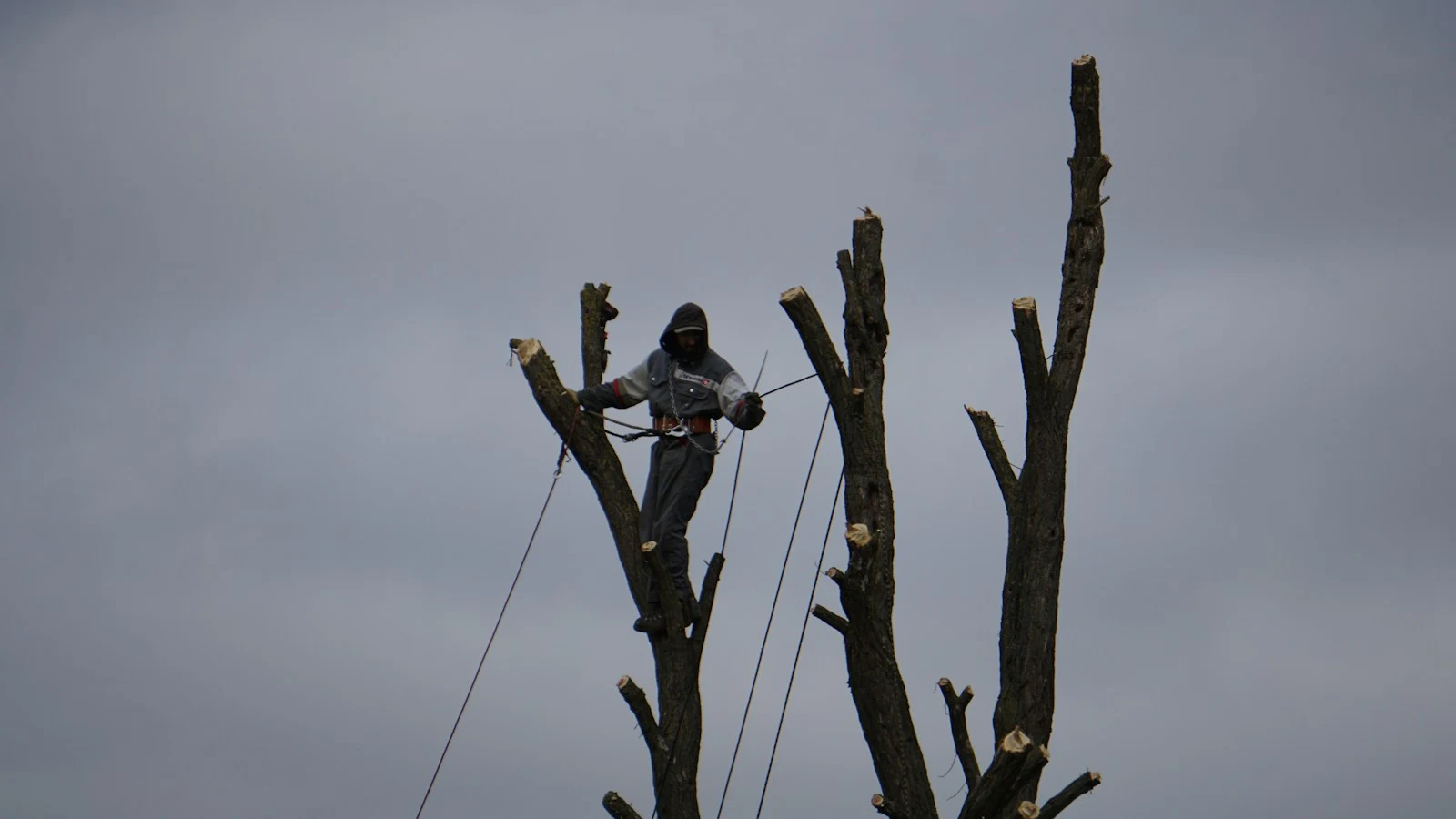
Ready for Healthier, Safer Trees?
Our ISA-certified arborists provide free, no-obligation estimates for all trimming and pruning projects — from a single ornamental to a full property assessment. Contact us today and we'll protect your trees before the next storm season.