Deadwooding & Canopy Lifting
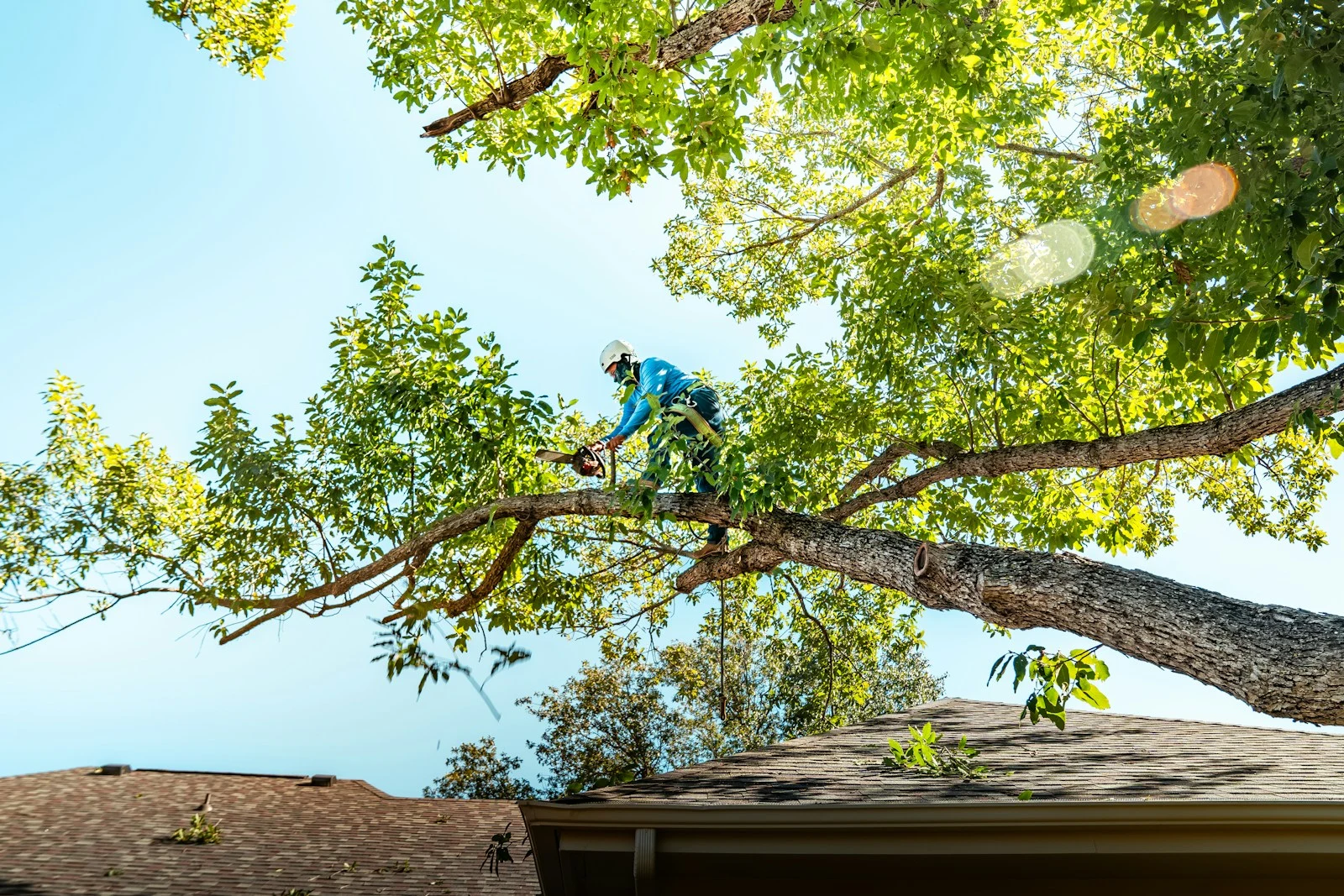
Protect your property, improve tree health, and flood your landscape with light. Our certified arborists remove hazardous dead wood and lift the canopy — giving your trees a longer, healthier life.
6 Reasons to Remove Dead Wood Now
Dead branches are more than an eyesore — they're a structural liability waiting to fail. Our certified arborists identify and remove every hazardous limb before it becomes a costly problem.
Eliminate Falling-Limb Hazards
Dead branches can drop without warning — especially during Florida's afternoon storms. Removing them protects people, roofs, vehicles, and utility lines beneath the tree.
Stop Disease & Pest Spread
Dead wood is a prime entry point for fungal decay and wood-boring beetles. Timely removal cuts off these pathways before infection spreads to healthy tissue.
Reduce Wind Resistance
A canopy loaded with dead wood catches wind like a sail. Deadwooding reduces sail effect, lowering the risk of whole-tree failure in high winds and hurricanes.
Redirect Nutrients to Live Growth
Trees waste energy trying to compartmentalize dead tissue. Removing dead wood allows the tree to redirect resources to healthy shoots, roots, and flowering.
Extend the Tree's Lifespan
Regular deadwooding is one of the highest-return investments in tree care — adding years or even decades to a tree's productive life.
Lower Liability Exposure
Property owners have a duty of care. Documented, professional deadwooding shows insurers and courts that hazardous conditions were proactively managed.
What Is Canopy Lifting & Who Needs It?
Canopy lifting — also called crown raising — is the selective removal of lower branches to increase the clearance between the ground and the base of the tree's live canopy. It's one of the most requested services we perform for both residential and commercial properties.
Unlike topping (which harms the tree), canopy lifting follows ISA best practices: we remove no more than 25% of the live crown at a time, make clean cuts outside the branch collar, and leave wound-sealing tissue intact to minimize decay entry.
Whether your oak is blocking your driveway, your magnolia is shading your vegetable garden, or a live oak is overhanging a neighbor's fence, our arborists will develop a canopy-lifting plan tailored to your tree and your goals.
Request a Free Canopy Lifting Quote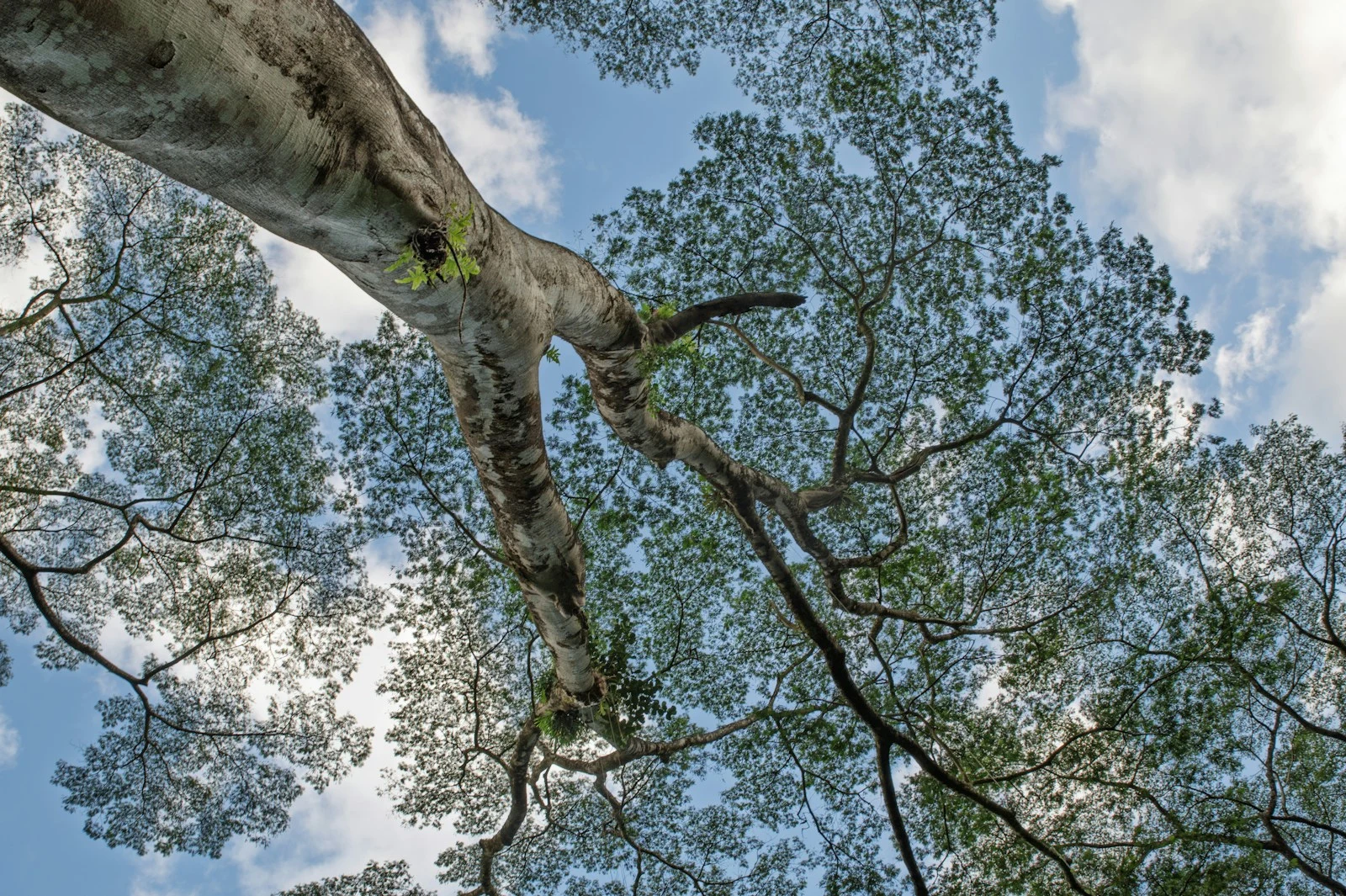
More Sunlight Below
Raising the crown allows sunlight to reach turf, garden beds, and solar panels beneath the tree — reducing patchy lawn and enabling under-tree planting.
Improved Air Circulation
Better airflow through the lower canopy reduces humidity-driven fungal conditions like powdery mildew and helps leaves dry faster after Florida's afternoon rains.
Enhanced Aesthetics
Lifting the canopy reveals the tree's trunk character, opens sightlines across your property, and gives your landscape a professionally maintained appearance.
Vehicle & Pedestrian Clearance
Low-hanging branches can obstruct driveways, walkways, and road signs. Canopy lifting ensures safe clearance for trucks, RVs, and everyday foot traffic.
Reduced Property Encroachment
Lower branches often grow over fences, rooflines, and neighbor lots. Crown raising corrects encroachment before it causes structural or legal issues.
Better Lawn & Garden Health
Grass, flowers, and shrubs under a dense canopy struggle for light. Canopy lifting can transform a dead zone into a thriving garden space.
Our Safety Protocols
Working at height with heavy equipment demands disciplined safety culture. Here's how we protect our crew, your property, and your family on every job.
Full PPE on Every Job
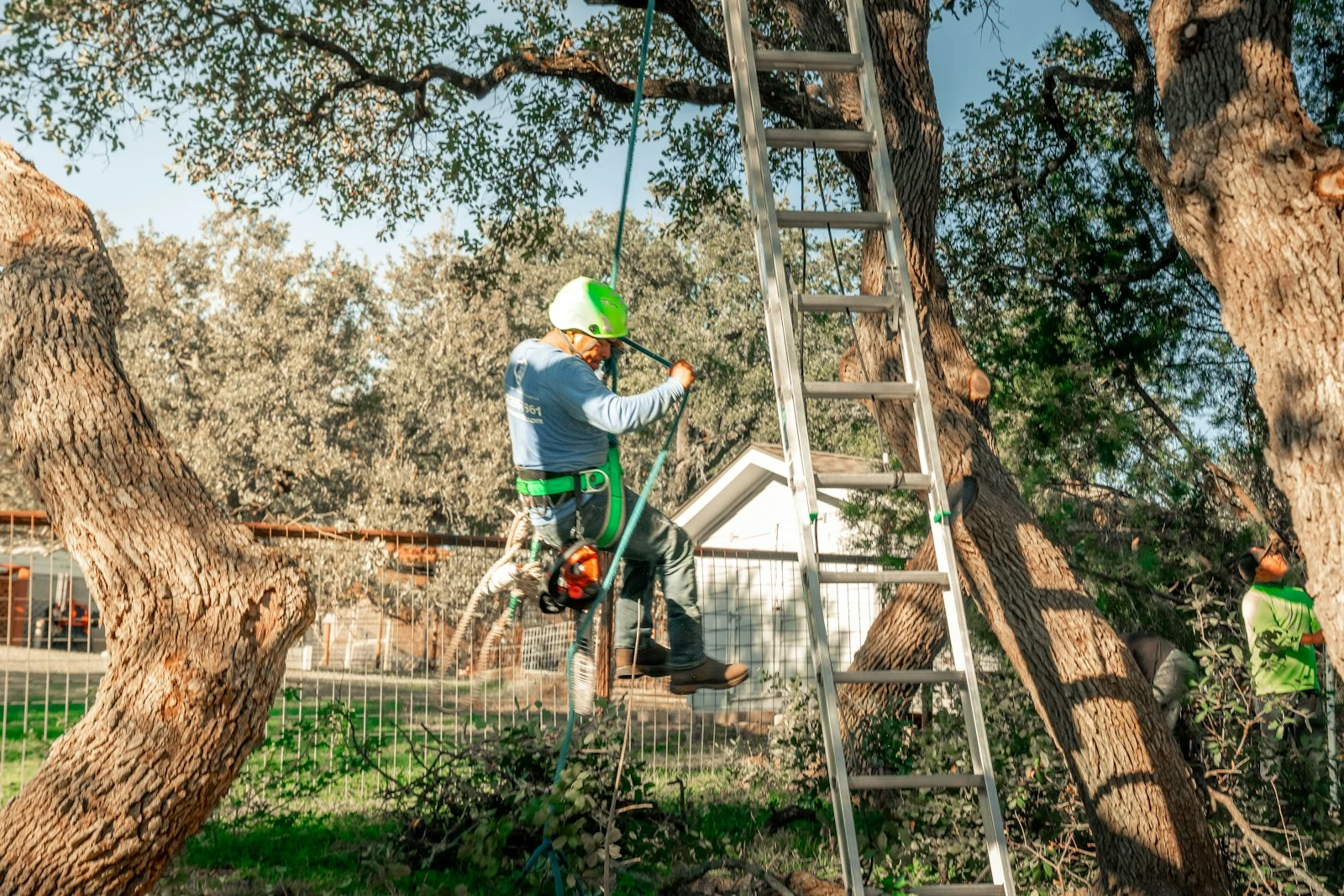
Every crew member wears certified helmets, cut-resistant chaps, eye and hearing protection, and safety harnesses — no exceptions.
Utility Line Awareness
Before any work begins near power or communication lines, we call 811, confirm locate flags, and maintain OSHA-mandated approach distances.
Pre-Climb Risk Assessment
Our lead arborist walks the site before rigging anything, identifying structural weak points, root issues, and drop zones to prevent surprises.
Ground Crew & Spotter
A dedicated ground crew manages falling debris, maintains exclusion zones for bystanders, and communicates continuously with the climber.
Properly Maintained Tools
Chainsaws are inspected before each use. All rigging ropes, carabiners, and climbing harnesses meet ANSI Z133 standards and are retired on schedule.
Licensed & Fully Insured
We carry full general liability and workers' compensation insurance. Our ISA-certified arborists are licensed by the State of Florida.
Equipment We Use
Professional-grade tools chosen to keep crews safe and protect your landscape.
Before & After Project Photos
See the transformation deadwooding and canopy lifting delivers on real Volusia County properties.
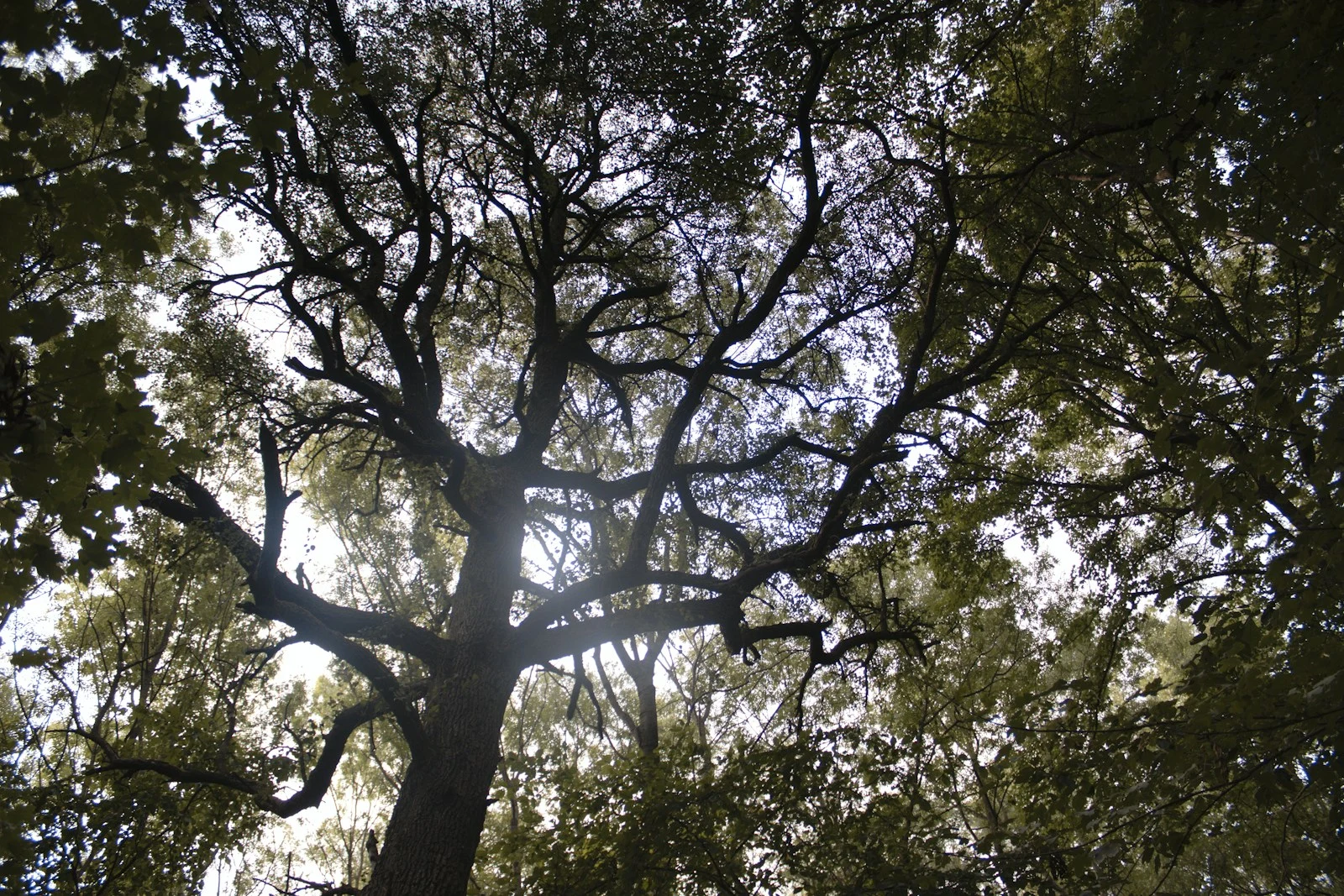
Live Oak — Deadwooding
Deltona, FL
This mature live oak had accumulated years of dead interior branches. After full deadwooding the canopy was opened and hazardous limbs eliminated.
Frequently Asked Questions
Everything homeowners and property managers want to know about deadwooding and canopy lifting.
How often should deadwooding be performed?
What are the main benefits of deadwooding?
What is canopy lifting and why does it matter?
How much does deadwooding and canopy lifting cost?
Is deadwooding the same as tree trimming?
Can deadwooding help prevent tree disease from spreading?
How high can you lift a canopy?
Do you haul away the debris?
Explore Related Services
Tree Trimming & Pruning
Full canopy shaping, crown thinning, and seasonal pruning for all tree species.
Arborist Services
ISA-certified arborists for health assessments, disease diagnosis, and preservation plans.
Tree Removal
Safe, efficient removal of dead, diseased, or hazardous trees — any size, any access.
Ready for Safer, Healthier Trees?
Our ISA-certified arborists will assess your trees, identify every dead or hazardous limb, and recommend the exact level of service needed — no upselling, no guesswork.