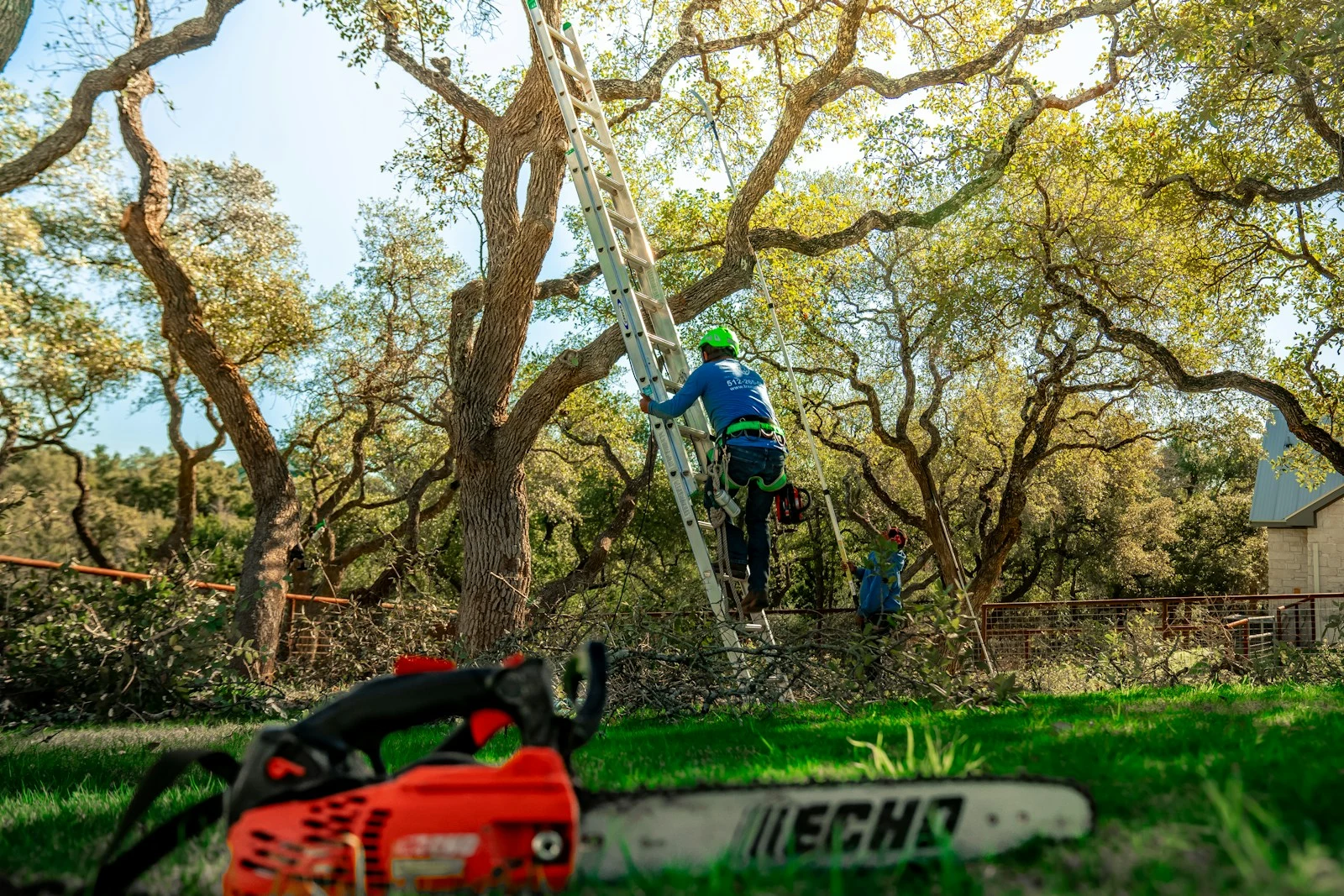
Expert Tree Trimming Services in Volusia County
Healthy trees. Safe properties. Beautiful landscapes. Our certified arborists deliver precision trimming across DeLand, Deltona, Port Orange, and all of Volusia County.
More Than Just Cutting Branches
Tree trimming is a science as much as a skill. At Volusia Bobcat & Tree Service, our ISA-informed arborists assess each tree individually — evaluating species, growth patterns, structural integrity, and your property goals — before a single cut is made.
Improper trimming can permanently damage or even kill a tree. Topping, flush cuts, and lion's tailing are common mistakes that leave trees vulnerable to disease and structural failure. We follow ANSI A300 pruning standards to ensure every trim promotes long-term health.
Schedule a Trimming Assessment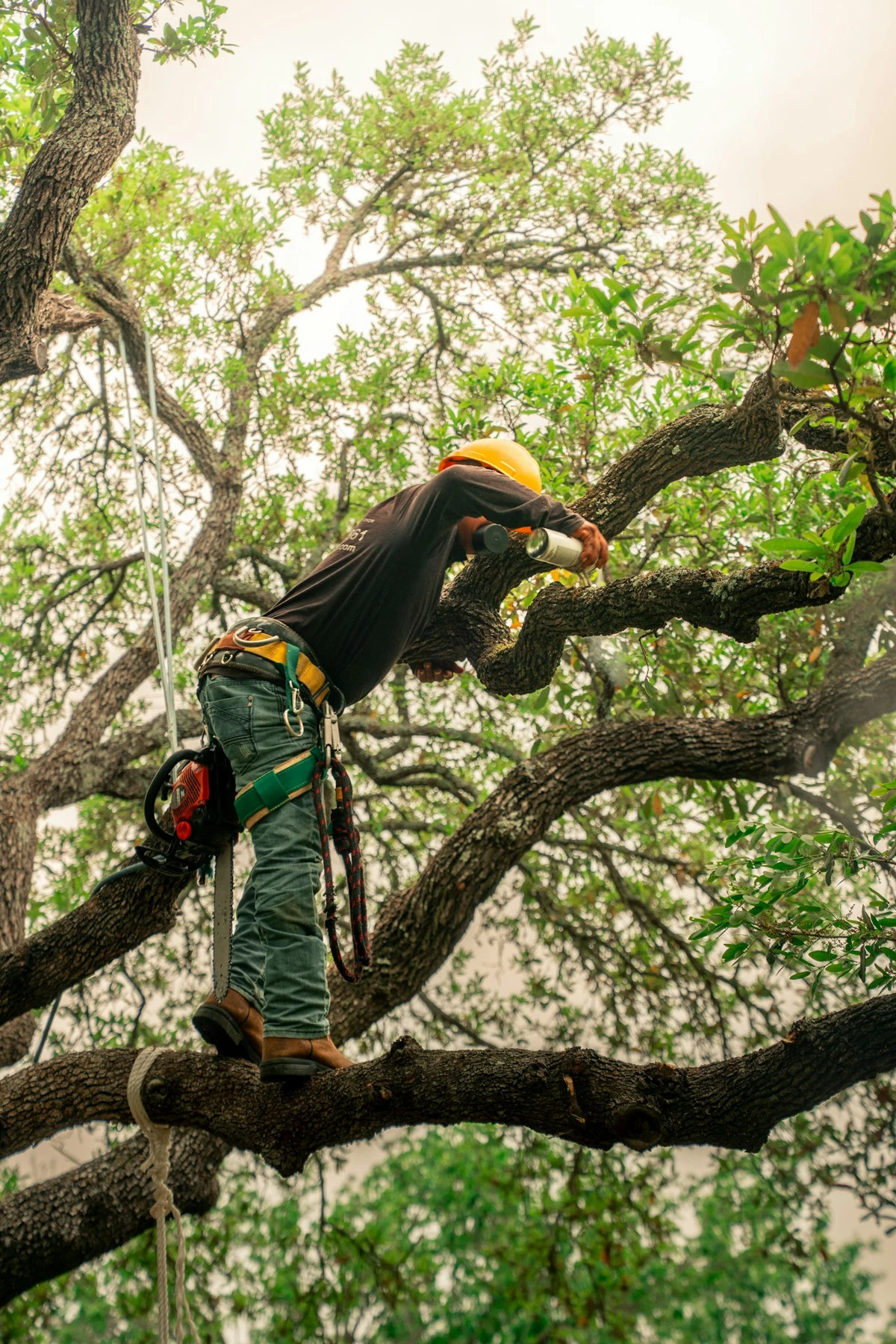
The Benefits of Professional Tree Trimming
Tree Health & Longevity
Regular trimming removes dead, diseased, and crossing branches that compete for nutrients, allowing your trees to grow stronger and live longer.
Safety for People & Property
Overgrown or weakened limbs pose serious hazards during Florida storms. Professional trimming eliminates dangerous branches before they cause costly damage.
Curb Appeal & Aesthetics
A well-shaped canopy enhances your property's appearance and value. Our arborists balance structural integrity with natural beauty for stunning results.
Improved Sunlight & Airflow
Thinning the canopy lets sunlight reach your lawn and garden while improving air circulation — reducing the risk of fungal disease and pest infestation.
Storm & Hurricane Preparedness
Central Florida's hurricane season demands proactive care. Crown reduction and deadwood removal dramatically reduce wind resistance and branch failure.
Fruit & Flower Production
Strategic pruning of fruit trees and flowering species encourages prolific blooming and larger yields by directing energy to productive growth.
Related Services
Trimming Techniques & Methods We Use
Every tree is unique. Our arborists select the right technique based on species, age, condition, and your specific goals — following ANSI A300 pruning standards throughout.
Crown Cleaning
Selective removal of dead, dying, diseased, or weakly attached branches from the crown. This is the most common and universally recommended type of pruning for tree health.
Best for: All tree species, routine maintenance
Crown Thinning
Selective removal of branches throughout the canopy to increase light penetration and air movement. Does NOT reduce overall tree size — focuses on density.
Best for: Dense canopies, shade trees over lawns or gardens
Crown Raising
Removal of the lower branches of a tree to provide clearance for pedestrians, vehicles, buildings, and sight lines. Performed gradually over multiple seasons.
Best for: Street trees, walkways, driveways, view clearance
Crown Reduction
Reduces the size of a tree's crown by cutting back to lateral branches large enough to assume the terminal role. Preferred alternative to topping — maintains natural form.
Best for: Trees too large for their space, storm preparation
Vista Pruning
Selective thinning of specific windows through the canopy to frame a view without compromising the tree's structural integrity or overall aesthetics.
Best for: Waterfront properties, scenic views, privacy management
Structural / Formative Pruning
Early-life pruning of young trees to establish a strong central leader and well-spaced scaffold branches, preventing future structural failures.
Best for: Young trees, newly planted specimens, long-term investment
Our Tree Trimming Process
From first call to final cleanup, we keep you informed every step of the way. No surprises — just expert work.
On-Site Assessment
Our arborist visits your property to evaluate each tree's health, structure, species, and proximity to structures. We identify hazards, diseases, and your trimming objectives.
Customized Pruning Plan
We develop a tailored pruning plan specifying technique, extent, and timing for each tree. You receive a clear written estimate with no hidden fees before work begins.
Professional Trimming Execution
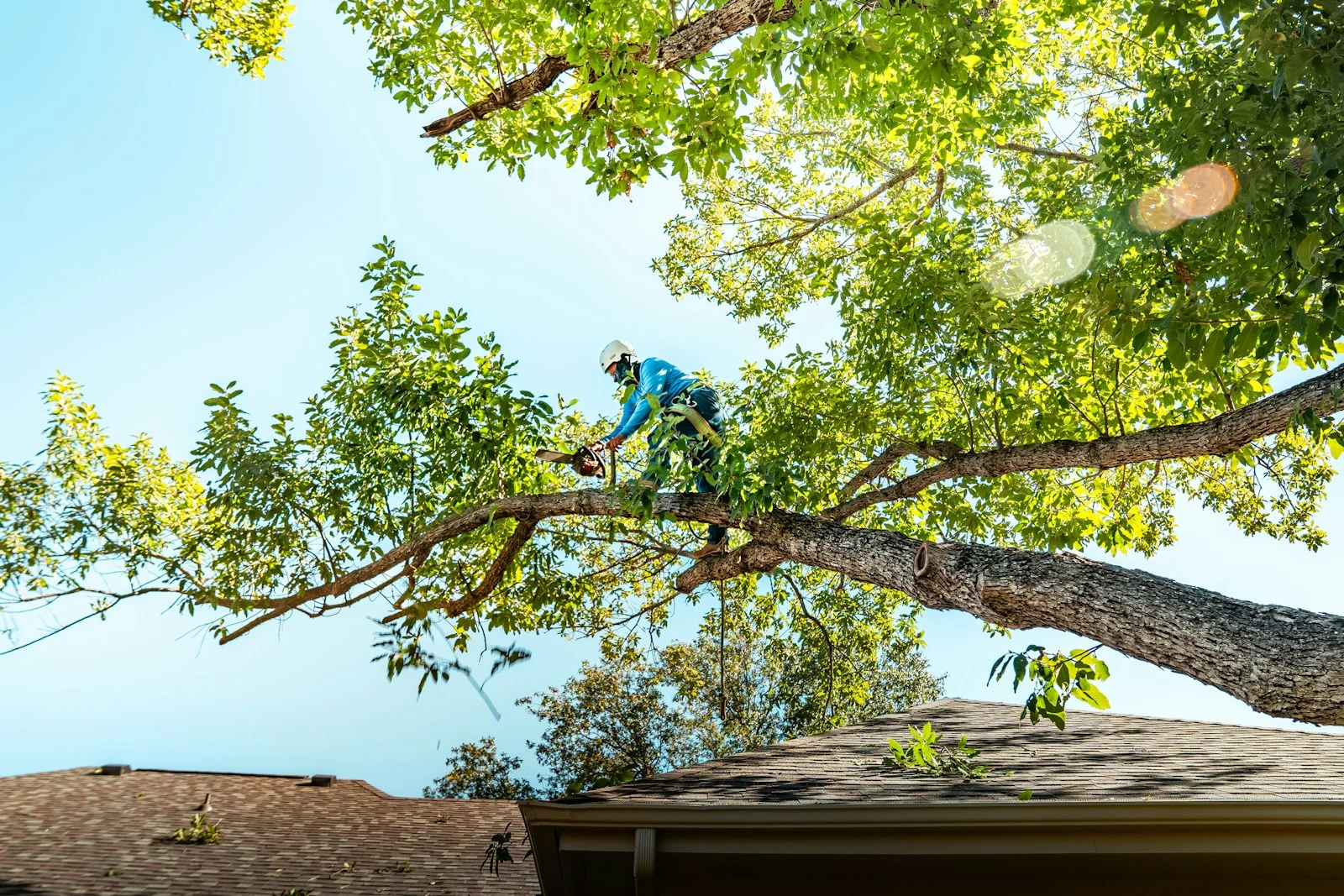
Our certified crew executes the plan using proper pruning cuts, climbing gear, aerial lifts, and industry-standard tools. All cuts are made at the correct angle to promote healing.
Debris Removal
All trimmed branches, leaves, and wood chips are chipped or hauled away from your property. We leave no mess behind — your yard is as clean as when we arrived.
Final Walkthrough & Cleanup
Your project manager conducts a final inspection with you to confirm results meet your expectations. We review care recommendations and answer any follow-up questions.
Tree Trimming Pricing Factors
Tree trimming costs vary based on several factors. Get a precise, no-obligation estimate by calling us or requesting online.
Tree Size & Height
Taller trees require more equipment, time, and risk — the primary driver of trimming cost.
Branch Count & Density
Dense canopies with many branches take longer to thin than open-grown trees.
Job Complexity
Proximity to power lines, structures, or water adds complexity and affects equipment needs.
Number of Trees
Multi-tree projects often receive volume pricing, reducing per-tree cost significantly.
Free estimates · No obligation · Fast response
Seasonal Trimming Recommendations
Florida's subtropical climate creates unique trimming windows. Here's what our arborists recommend for Volusia County's seasons.
Winter (Dec – Feb)
Best Season for Most Trees- Dormant pruning minimizes stress and disease risk
- Full branch structure is visible without leaves
- Ideal for oak, maple, and most deciduous species
- Wound closure begins rapidly at spring growth
Spring (Mar – May)
Good After New Growth Hardens- Wait until new growth has fully leafed out
- Avoid trimming spring-blooming trees until after flowering
- Ideal time for palm trimming in Central Florida
- Great for corrective pruning of storm-damaged limbs
Summer (Jun – Aug)
Targeted Deadwood Removal Only- Heavy pruning during heat stresses trees
- Safe to remove dead, dying, or hazardous branches
- Hurricane prep trimming is recommended before July
- Avoid oak trimming (beetle & fungus risk in FL)
Fall (Sep – Nov)
Storm Cleanup & Light Trimming- Address hurricane damage promptly to prevent decay
- Avoid heavy structural pruning — trees preparing for dormancy
- Good time for crown cleaning and debris removal
- Schedule winter trimming appointments in advance
Safety First — Always
Licensed & Insured
All work is performed by fully licensed and insured professionals. Never hire unlicensed crews for tree trimming — the liability risk is yours.
Power Line Awareness
We identify all overhead utility lines before work begins. Any branches within 10 feet of power lines require coordination with your utility provider.
Emergency Availability
Storm damage doesn't wait for business hours. Our emergency response team is available 24/7 for hazardous limb removal after severe weather events.
Related Projects
Tree Trimming Service Areas
Serving all of Volusia County, Florida — licensed, insured, and ready to respond fast.
Tree Trimming FAQ
Answers to the most common questions about tree trimming frequency, cost, safety, and health in Volusia County.
How often should I have my trees trimmed?
What is the best season to trim trees in Florida?
How much does tree trimming cost in Volusia County?
Can trimming kill a tree or make it worse?
What's the difference between trimming and pruning?
Do I need to be home for tree trimming service?
Will trimming help my tree survive hurricane season?
Can you trim trees near power lines?
Do you remove the trimmed branches and debris?
How do I know if a tree needs trimming vs. full removal?
Ready for Healthier, Safer Trees?
Our certified arborists serve all 18 Volusia County communities. Request your free, no-obligation trimming estimate today and protect your property before the next storm season.
View all Volusia County service areas or explore all tree services.